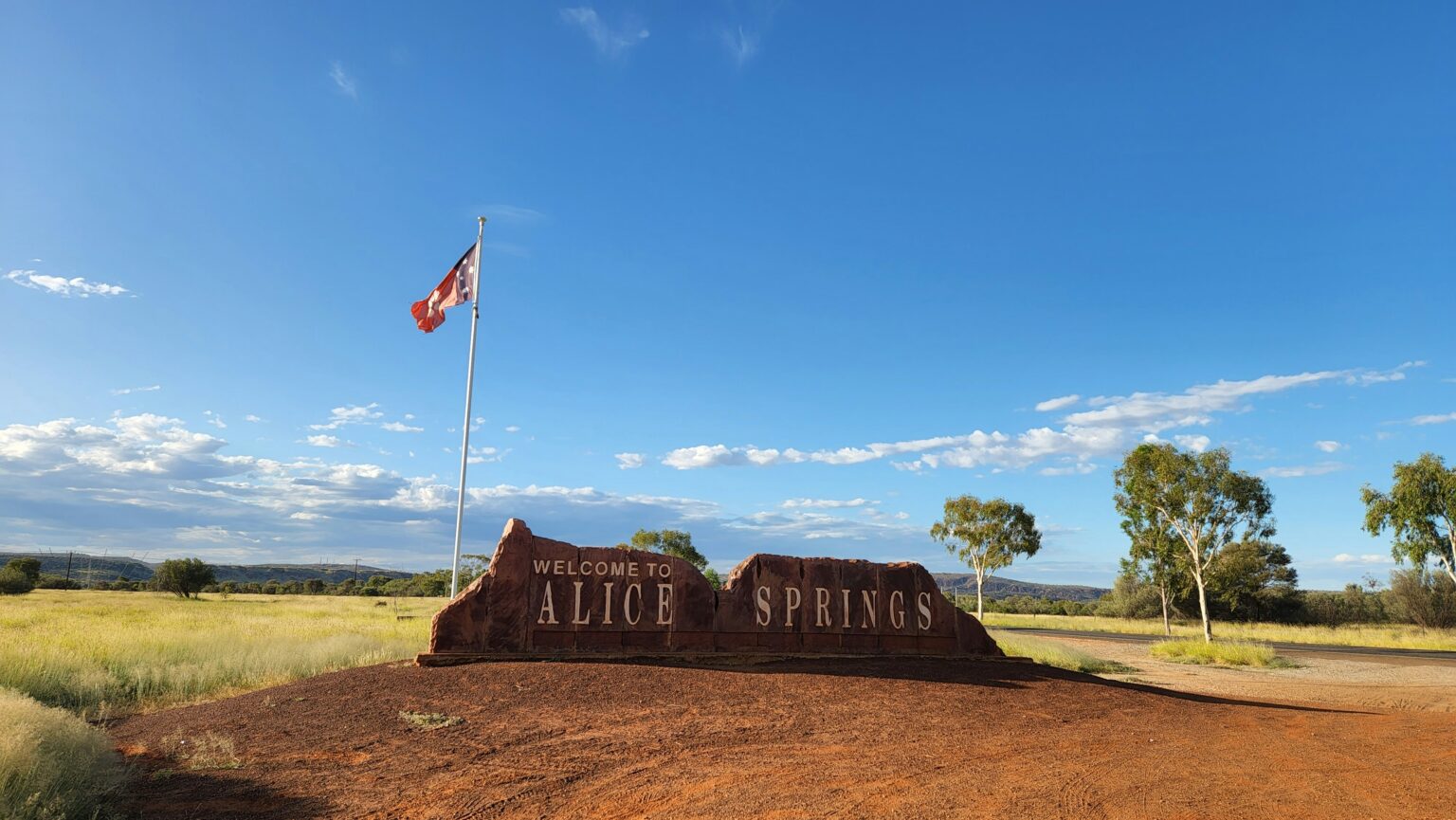
Welcome to Alice Springs
Experience the heart of Australia’s Red Centre, where a relaxed outback lifestyle meets a vibrant community surrounded by spectacular desert landscapes.
1. About Alice Springs
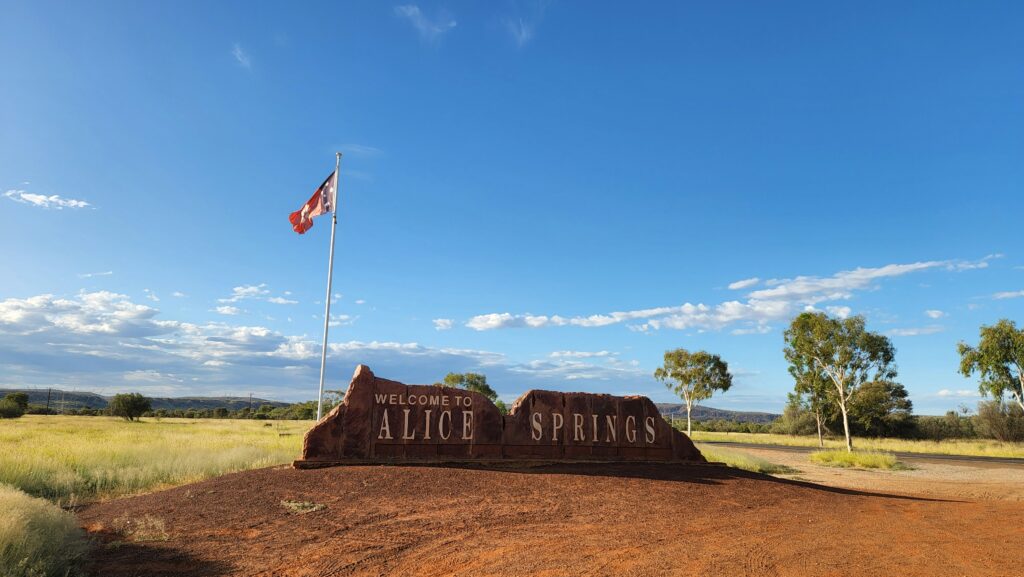
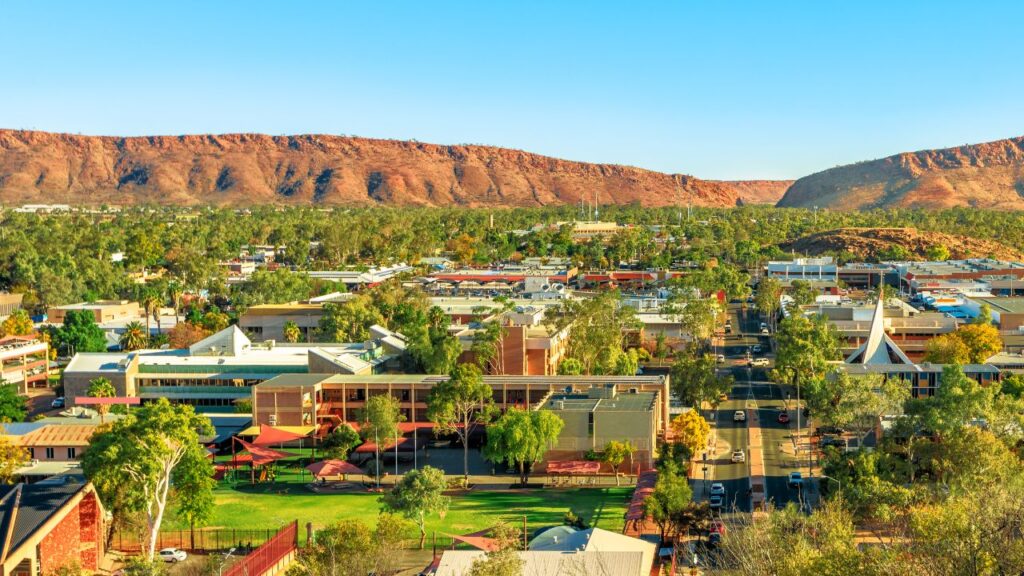
Located in the geographic centre of Australia, Alice Springs (Mparntwe) is the major service and business hub for Central Australia. Home to approximately 25,000 residents, the town is renowned for its rich Aboriginal culture, stunning natural attractions and strong sense of community. Alice Springs supports industries including government services, healthcare, education, tourism, defence and mining, making it a popular destination for professionals and families relocating to the Northern Territory.
Despite its remote location, Alice Springs offers quality healthcare, education, retail shopping, sporting facilities and year-round community events. The Alice Springs Town Council continues to invest in making the town a vibrant, connected and liveable community.
2. Climate
Alice Springs has a semi-arid climate with four distinct seasons, characterised by warm, dry weather and plenty of sunshine throughout the year.
Season – Average temperature
Summer (Dec–Feb) | 20°C to 36°C
Autumn (Mar–May) | 12°C to 30°C
Winter (Jun–Aug) | 4°C to 20°C
Spring (Sep–Nov) | 13°C to 32°C
Summer days can be very hot, while winter mornings are often crisp with cool nights. Annual rainfall is relatively low, making Alice Springs ideal for outdoor activities for much of the year.
3. Finding a Home
Alice Springs offers a range of housing options, including modern apartments, townhouses and detached family homes. Many relocating employees choose to rent before deciding whether to purchase a property.
Typical weekly rental ranges are:
2-bedroom apartment or unit: approximately AUD450–600
3-bedroom house: approximately AUD650–850
Popular residential suburbs include East Side, Desert Springs, Braitling, Gillen and Sadadeen, all offering convenient access to schools, shopping centres and recreational facilities. Housing availability can fluctuate, so it is advisable to begin your property search before relocating.
4. Healthcare
Alice Springs provides comprehensive healthcare services for residents and surrounding communities.
Major healthcare facilities include:
- Alice Springs Hospital– the region’s principal public hospital providing emergency care, specialist services and maternity care.
- Congress Alukura Women’s Health Service and Central Australian Aboriginal Congress – providing primary healthcare and community health services.
- Several general practice clinics, dental surgeries, allied health providers and pharmacies are located throughout the town.
For highly specialised medical treatment, patients may be referred to hospitals in Darwin or Adelaide.
5. Schooling options for children
Families relocating to Alice Springs have access to a variety of government and non-government education providers.
Government schools include:
- Alice Springs School of the Air
- Braitling Primary School
- Gillen Primary School
- Centralian Middle School
- Centralian Senior College
Independent schools include:
- St Philip’s College
- Our Lady of the Sacred Heart Catholic College
- Yirara College
For tertiary education and vocational training, Charles Darwin University maintains a campus in Alice Springs, alongside training delivered by Centralian Senior College and registered training organisations.
6. Getting around Alice Springs
Alice Springs is a compact town, making it easy to travel between home, work and local amenities.
Public transport
- Local bus services operate across key residential areas, schools and shopping precincts.
- Taxi and rideshare services are also available.
Private vehicle
- Most residents choose to drive, with ample parking and short commuting times—typically under 15 minutes.
- The Stuart Highway provides road access north to Darwin and south to Adelaide.
Alice Springs Airport offers regular direct flights to major Australian cities, including Darwin, Adelaide, Melbourne, Brisbane and Sydney.
7. Utilities and telecommunications
Residents have access to reliable essential services and communications.
Utilities
- Electricity is supplied by Jacana Energy.
- Water and sewerage services are managed by Power and Water Corporation.
Internet and mobile
- The National Broadband Network (NBN) is available across most residential areas.
- Mobile coverage is provided by Telstra, Optus and Vodafone, although coverage outside town can become limited in remote areas.
Given the town’s location, online shopping deliveries may take longer than in metropolitan areas.
8. Lifestyle and things to do
Alice Springs offers an active outdoor lifestyle with plenty of opportunities to explore the unique landscapes of Central Australia.
Popular attractions include:
- Alice Springs Desert Park, showcasing the region’s native wildlife and ecosystems.
- Anzac Hill Lookout, offering panoramic views across the town and MacDonnell Ranges.
- Alice Springs Telegraph Station Historical Reserve, the birthplace of the town.
- West MacDonnell National Park, renowned for its walking trails, swimming holes and spectacular scenery.
- Larapinta Trail, one of Australia’s premier long-distance walking experiences.
Residents also enjoy local markets, cafés, sporting clubs, fitness centres and annual events such as Parrtjima – A Festival in Light, the Alice Springs Camel Cup and the Henley-on-Todd Regatta.
Whether you’re seeking outdoor adventure, cultural experiences or a welcoming regional community, Alice Springs provides an exceptional lifestyle in the heart of Australia’s Red Centre. The Alice Springs Town Council continues to support community wellbeing through investments in parks, sporting facilities, libraries and public spaces that enhance liveability for residents and families.