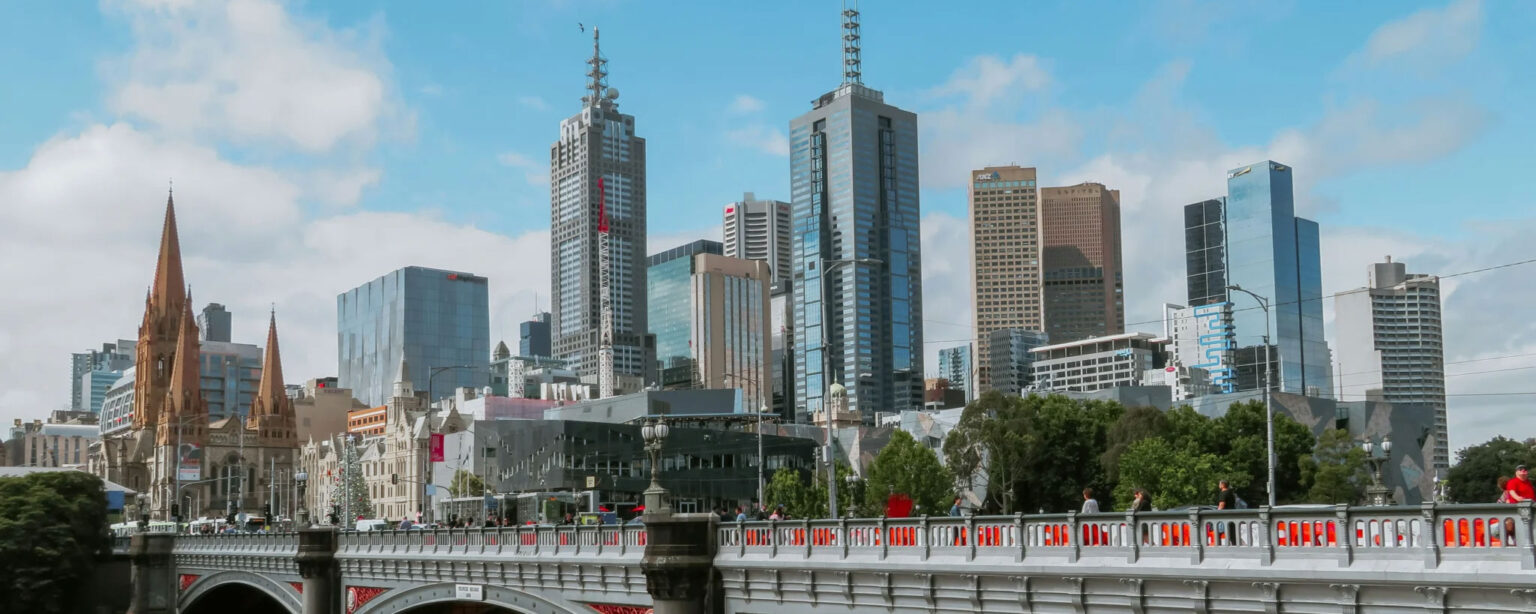
Melbourne, Victoria
Welcome to Melbourne.
Relocating internationally is both exciting and complex. This guide has been designed to provide practical, accurate and relevant information to support your move to Victoria and ensure a smooth transition into life in Australia.
Melbourne consistently ranks among the world’s most liveable cities and offers an exceptional combination of career opportunity, lifestyle, education and infrastructure.
1. About Melbourne
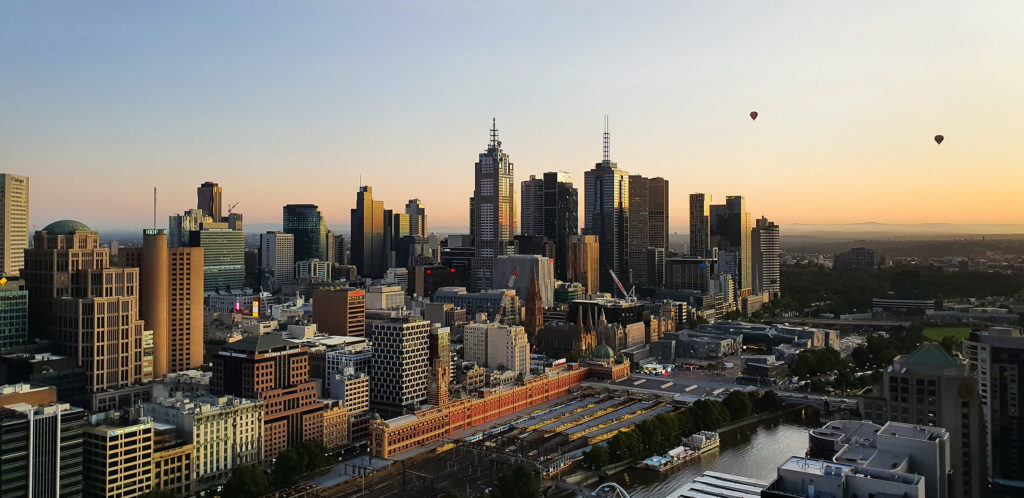
Melbourne is the capital of Victoria and Australia’s second-largest city. Known for its cultural diversity, global sporting events, high-quality education and strong infrastructure, Melbourne offers a safe and stable environment for professionals and families.
The Central Business District (CBD) is located along the Yarra River and is surrounded by established residential suburbs, coastal communities and green parklands.
Climate
Melbourne has a temperate climate.
- Summer (Dec–Feb): Warm to hot (20–35°C), occasional heatwaves
- Autumn (Mar–May): Mild and stable
- Winter (Jun–Aug): Cool (6–15°C), moderate rainfall
- Spring (Sep–Nov): Variable conditions
Melbourne is known for changeable weather — layered clothing is recommended year-round.
Time zone
- Australian Eastern Standard Time (UTC +10)
- Daylight Saving Time applies October–April (UTC +11)
2. Visa and right to work
Prior to arrival, ensure:
- Your visa is granted and valid
- Dependent visas are finalised
- You understand any conditions attached to your visa
You will need a copy of your visa grant notice for:
- Opening bank accounts
- Medicare enrolment
- Rental applications
- Driver licence conversion
Official visa information:
https://immi.homeaffairs.gov.au/
3. Tax and employment requirements
Tax File Number (TFN)
All employees working in Australia must apply for a Tax File Number (TFN) via the Australian Taxation Office.
Without a TFN, tax is withheld at the highest marginal rate.
Apply online once in Australia:
https://www.ato.gov.au/
You will need:
- Passport
- Visa details
- Australian address
Processing typically takes 2– 4 weeks.
4. Banking

Opening an Australian bank account is strongly recommended prior to or shortly after arrival.
You will typically require:
- Passport
- Visa grant notice
- Australian address
- Local mobile number
A local account is essential for:
- Salary payments
- Rent and bond transfers
- Utility setup
- Rental applications
Major banks include ANZ, Commonwealth Bank, NAB and Westpac.
5. Housing and rental process

Melbourne offers detached homes, townhouses and apartments. Properties are typically rented unfurnished.
Key rental information
- Rent is advertised weekly but paid monthly in advance
- Standard lease term: 12 months
- Bond: Usually 4 weeks’ rent
- Rental market can be competitive
Bond is lodged with the Residential Tenancies Bond Authority:
https://www.rentalbonds.vic.gov.au/
Tenancy information:
https://www.consumer.vic.gov.au/housing/renting
Preparing your rental application
International assignees should prepare:
Identification
- Passport
- Visa
- Driver’s licence (if applicable)
Employment and income
- Employment contract or offer letter from your company
- Confirmation of salary
- Payslips (if available)
- Bank statements
Rental history
- Previous landlord references
- Rental ledger
- Agent contact details
Funds required upfront:
- One month’s rent in advance
- Bond payment
Having funds accessible in an Australian bank account significantly improves approval likelihood.
6. Healthcare
Australia operates a mixed public and private healthcare system.
Medicare
Permanent residents
Generally eligible for Medicare.
Enrol via:
https://www.servicesaustralia.gov.au/medicare
You will need:
- Passport
- Visa grant notice
- Proof of Australian address
Temporary visa holders
May not automatically qualify for Medicare unless covered under a reciprocal agreement.
Most temporary visa holders require:
- Overseas Visitor Health Cover (OVHC)
- Private health insurance
Please confirm visa-specific requirements prior to arrival.
Emergency services number: 000
7. Education

Victoria is recognised nationally for education quality.
School types
- Government (public) schools
- Independent schools
- Catholic schools
- Selective entry schools
Academic year runs February to December.
Government school enrolment is generally determined by residential zoning.
Department of Education:
https://www.vic.gov.au/education
School enrolment – documentation required
- Passports
- Visa documentation
- Immunisation records
- Previous school reports (2–3 years)
- Birth certificates
- Proof of residential address
Early planning is recommended.
8. Transport
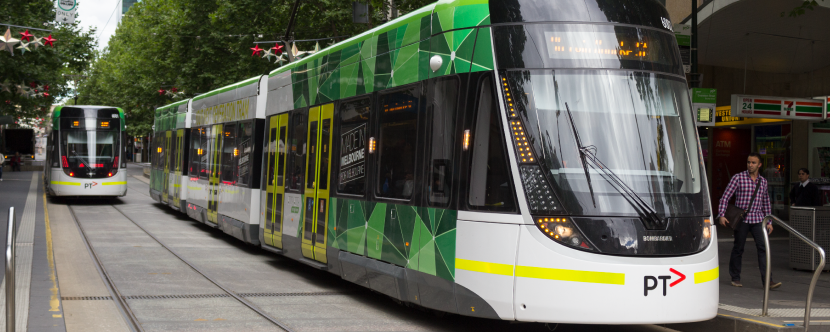
Melbourne has an extensive network of trains, trams and buses.
Travel is paid via a Myki card.
Public transport Victoria:
https://www.ptv.vic.gov.au/
Airport
Melbourne Airport (Tullamarine) services international and domestic travel.
https://www.melbourneairport.com.au/
SkyBus provides direct transfers to the CBD.
9. Driving in Victoria
Australia drives on the left-hand side.
Temporary visa holders
May drive on an overseas licence if:
- Valid
- In English (or officially translated)
Permanent residents
Must convert their overseas licence within 6 months of permanent residency.
Check eligibility:
https://www.vicroads.vic.gov.au/licences
Speed limits are strictly enforced:
- 50 km/h built-up areas
- 40 km/h school zones
- 100 km/h highways
Seatbelts are mandatory.
10. Utilities and telecommunications
Utilities are not included in rental costs.
You will need to arrange:
- Electricity
- Gas (if applicable)
- Internet
Energy comparison (Victoria):
https://compare.energy.vic.gov.au/
Major mobile providers include Telstra, Optus and Vodafone.
11. Lifestyle and living

Melbourne offers:
- World-class sporting events (Australian Open, Formula 1, AFL)
- International cuisine
- Extensive parklands
- Beaches within 30 minutes
- Access to wine regions and coastal drives
Tourism information:
https://www.visitmelbourne.com/
12. Pets and biosecurity
Australia has strict quarantine requirements.
Preparation can take 6–12 months depending on origin country.
Department of Agriculture:
https://www.agriculture.gov.au/biosecurity-trade
13. First weeks in Melbourne
Most international assignees prioritise:
✔ Opening bank account
✔ Applying for TFN
✔ Enrolling in Medicare (if eligible)
✔ Securing rental property
✔ Activating utilities
✔ Enrolling children in school
✔ Converting driver licence
Your Grace Mobility Specialist will guide you through each step to ensure a seamless transition.